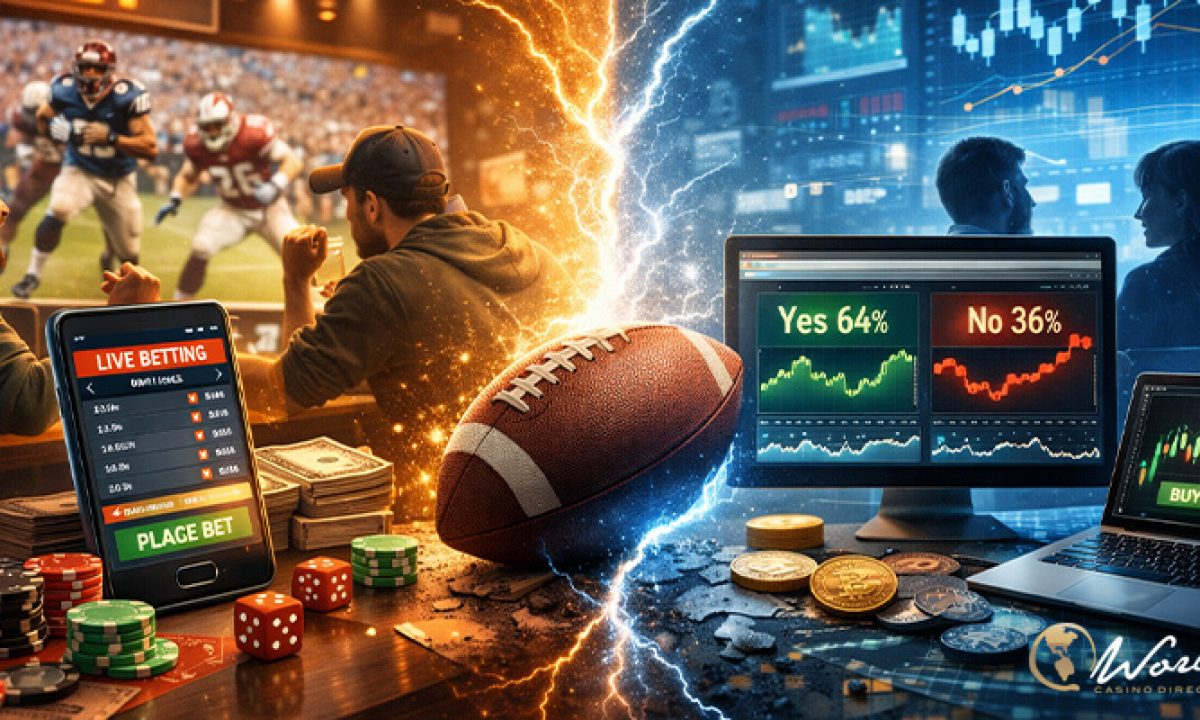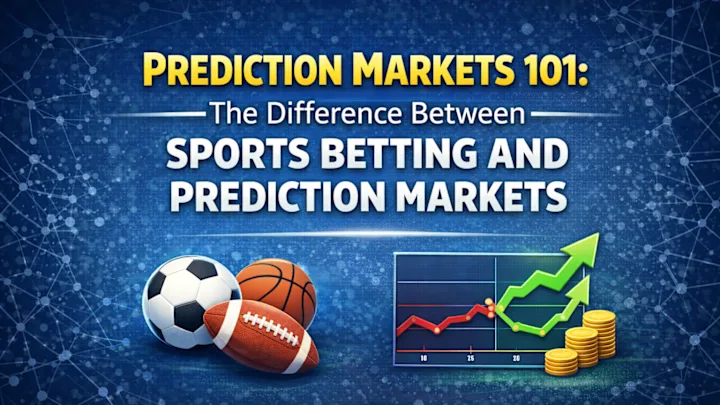
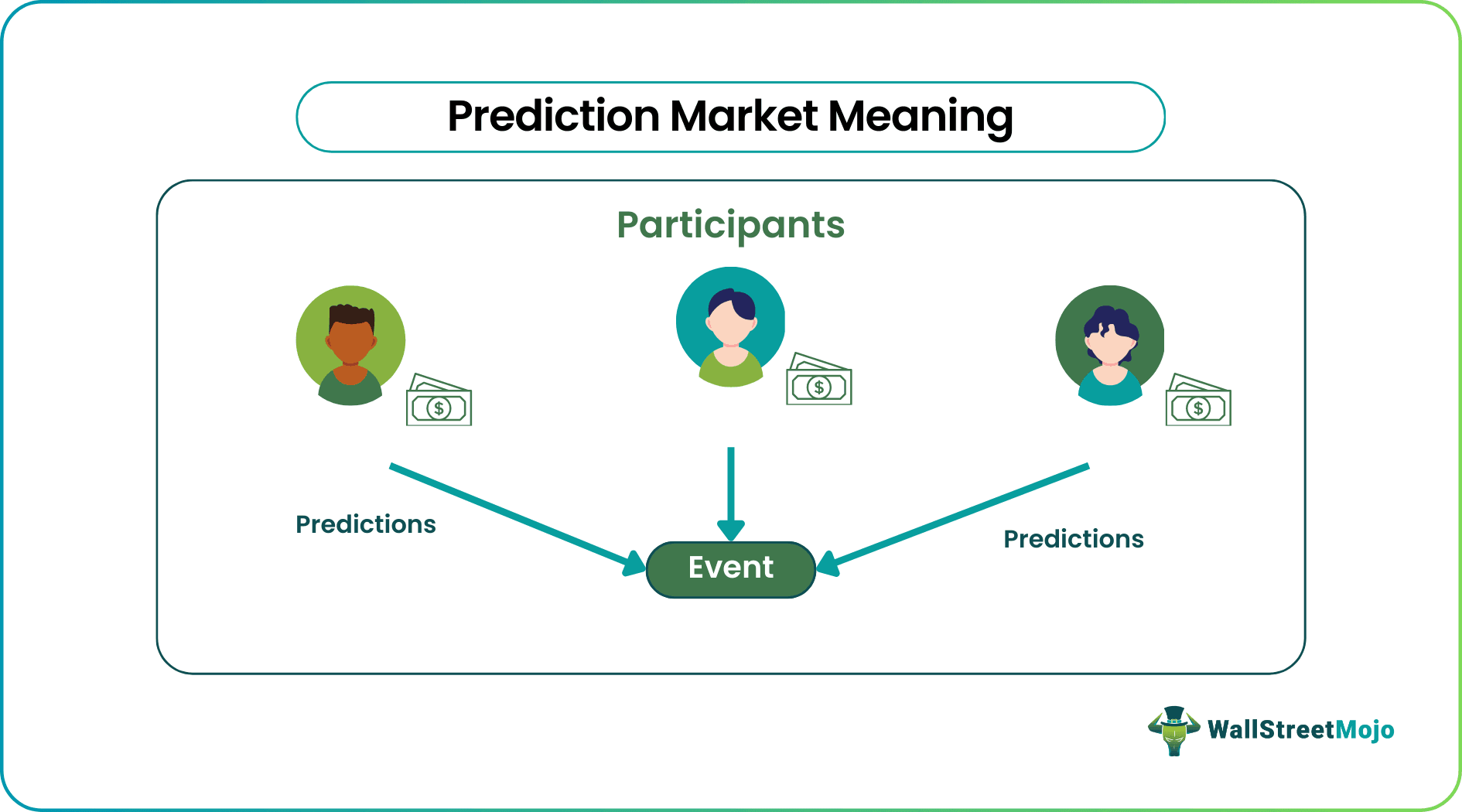
Prediction markets are a fast-growing way to trade on the outcome of real-world events. Instead of a traditional "bet," you are buying and selling "contracts" that behave much like stocks. Whether it is an election, a major sports game, or an economic shift, these markets allow you to turn your knowledge into profit by trading against other people.
How Prediction Market Contracts Work
A prediction market is built on event contracts. These are digital assets that represent a specific result. There are two main ways these are structured:
- Yes/No (Binary) Contracts: These are the most common. You buy a "Yes" or "No" share. If your prediction comes true, the contract pays out exactly $1. If it doesn't, it becomes worth $0. Your risk is limited to what you paid for the share.
- Multi-Outcome Contracts: These are used for events with more than two results, such as "Who will win the World Series?" or "Which party will win the election?" The payouts are often shared proportionally among the winners, similar to how horse racing bets work.
Price Equals Probability
In these markets, the price of a contract tells you what the world thinks will happen. Since a winning binary contract always pays out $1, the current trading price represents the "implied probability."
If a "Yes" contract for a team to win is trading at $0.65, the market believes there is a 65% chance that team will win.
Prices move in real-time. If breaking news makes an event more likely, the price goes up. If the event becomes less likely, the price drops.
How Trading Works: Like a Stock Market
Unlike a traditional sportsbook where you lock in a bet and wait, prediction markets allow you to enter and exit positions at any time.
- Buying and Selling: You can buy a contract at $0.40 and, if news moves the price to $0.70, you can sell it immediately for a profit without waiting for the event to actually happen.
- Order Books: Markets use "Central Limit Order Books" to match buyers and sellers. You can see the "Bid" (what people want to pay) and the "Ask" (what people want to sell for).
- Liquidity: This is a measure of how easy it is to trade. High liquidity means there are plenty of buyers and sellers, so you can get in and out of a trade without causing a massive price swing.
The Lifecycle of a Trade
- Find a Market: Pick an event that you have specialized knowledge about.
- Check the Probability: Look at the price to see if you agree with the market's current assessment.
- Place Your Order: Choose "Yes" or "No" and decide how many shares to buy.
- Monitor & Manage: Watch the news. You can choose to hold until the end or sell early to lock in a gain or cut a loss.
- Settlement: Once the event is over, a trusted data source (often called an "Oracle") confirms the result, and winners are paid.
Risks to Keep in Mind
- Regulation: Laws are changing quickly. Some states view these as "financial derivatives," while others call them "unlicensed gambling." Always check if a platform is legal in your area.
- Thin Markets: If a market has very few traders (low liquidity), the prices can be misleading or very volatile. It might be hard to sell your contract when you want to.
- Ambiguity: Sometimes the wording of a contract can be confusing. It is vital to read the "Resolution Rules" so you know exactly what needs to happen for a "Yes" to pay out.
Beginner’s Checklist
- Read the Rules: Understand exactly how the "winning" result is defined.
- Start Small: Only trade small amounts while you are learning how the platform works.
- Look for Volume: Stick to markets with high trading volume (usually over $100,000) to ensure you can trade easily.
- Track Your Success: Keep a log of your trades to see which topics you are best at predicting.