Sports betting has changed a lot in recent years. People who want to bet on sports or future events now have several different options available. The three most common platforms are traditional sportsbooks, betting exchanges, and prediction markets.
While these options may look similar on the surface, they work in very different ways. They differ in how odds are set, how bets are matched, and how platforms earn money. Understanding these differences can help bettors decide which option suits them best.
Below is a simple explanation of how each type of platform works and what bettors should know before using them.
Key Points to Understand
Before looking at each platform individually, here are some important things to keep in mind:
- Traditional sportsbooks are the most common and easiest option for most bettors. However, the platform controls the odds and may restrict successful bettors.
- Betting exchanges allow users to bet against each other instead of against the house. This can sometimes lead to better odds.
- Liquidity is important in exchanges and market-style platforms. If there are not enough users placing bets, it may be harder to match your wager.
- Prediction markets allow people to trade outcomes on many types of events, not just sports.
- Some prediction markets operate in a legal gray area in certain regions, which means availability can change quickly.
What Are Prediction Markets?
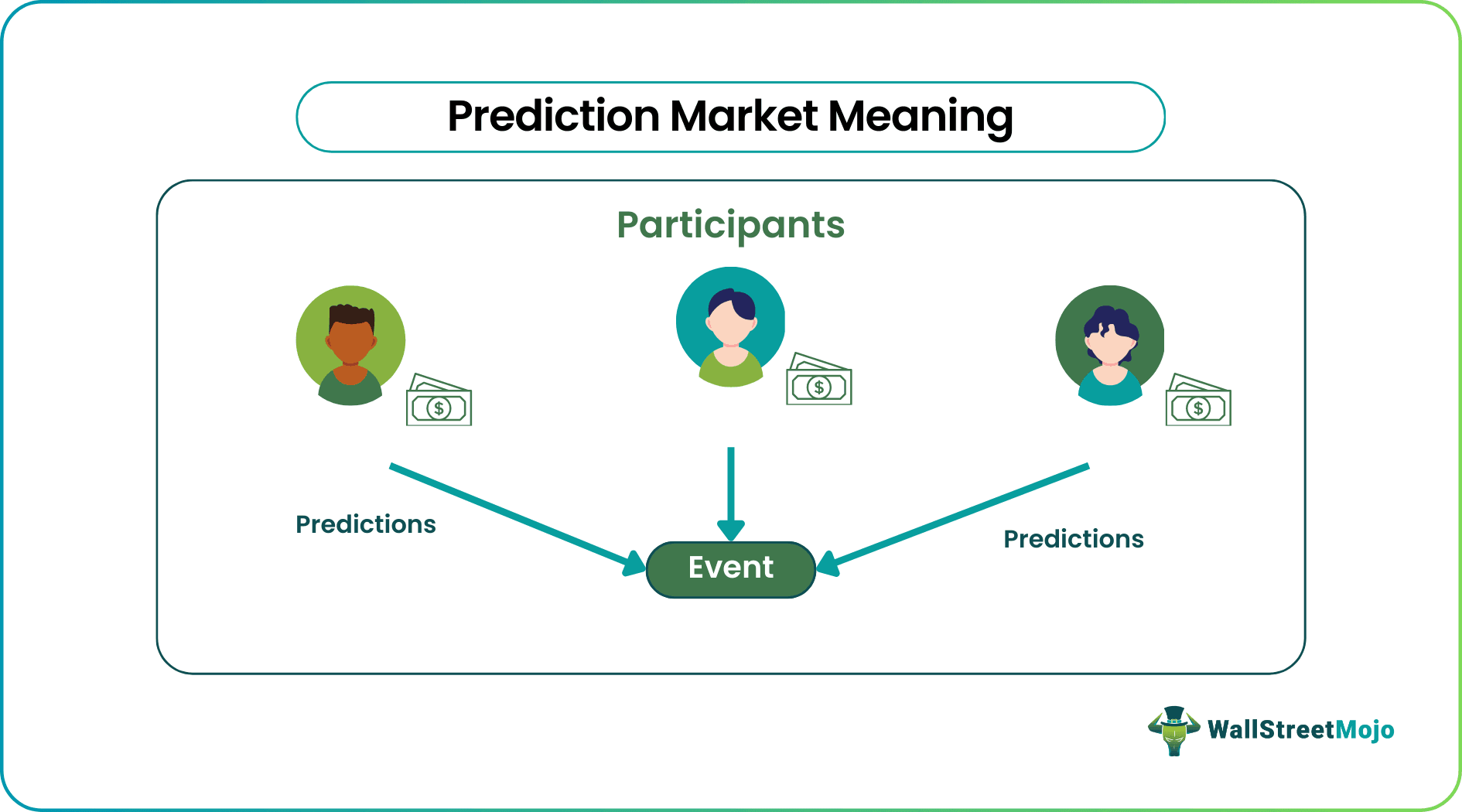
Prediction markets are a newer type of platform that has gained attention in recent years. Instead of placing a traditional bet, users buy or sell contracts based on the outcome of an event.
These platforms work somewhat like a financial market. Each contract represents the probability of an event happening. For example, if a contract is priced at 60, it usually means the market believes there is about a 60% chance that the event will happen.
Prediction markets are not limited to sports. They often include a wide range of topics such as politics, economics, entertainment awards, or even major news events.
For instance, people might trade contracts related to election outcomes, award winners, financial market trends, or the success of a movie release.
How Prediction Markets Work
Instead of placing a bet ticket, users trade outcome contracts.
If you believe an event will happen, you buy a “Yes” contract. If you think it will not happen, you can buy a “No” contract. The price changes depending on how other users in the market feel about that event.
Because of this system, prediction markets can sometimes act as a quick way to measure public opinion or market sentiment about certain events.
Why Some Bettors Use Prediction Markets
Prediction markets attract users for two main reasons:
- Variety of events – You can trade outcomes beyond sports.
- Market insights – Prices reflect the overall opinion of traders.
Even people who do not actively trade sometimes watch prediction markets simply to see how public expectations are shifting.
Legal and Regulatory Issues
One important factor to consider is regulation. Prediction markets are often monitored by financial regulators in some countries. However, sports-related contracts have faced legal challenges in certain regions.
Because of this, access to these platforms can vary depending on where a person lives. The rules and regulations around prediction markets continue to evolve, so availability may change over time.
Traditional Sportsbooks
Sportsbooks have been around for decades and remain the most popular way to place sports bets. They allow users to bet on a wide range of sports and betting markets.
These platforms can be accessed in physical locations like casinos or through online betting websites and mobile apps.
Most sports bets today are placed through mobile devices because it is convenient and quick.
How Sportsbooks Work
In a traditional sportsbook, the platform sets the odds for every event. Bettors simply choose which side they want to back.
If the bet wins, the sportsbook pays the winnings. If it loses, the sportsbook keeps the stake.
The Cost of Betting: The Vig
Sportsbooks earn money by including a small commission in the odds. This commission is often called the “vig” or “juice.”
For example, a common betting line may require bettors to risk slightly more money than they can win. This built-in margin ensures the platform earns money over time.
Because of this structure, bettors usually need to win slightly more than half of their bets just to break even.
Advantages of Sportsbooks
- Easy to use and familiar to most bettors
- Wide variety of sports and betting markets
- Quick bet placement and clear rules
Disadvantages
- The built-in commission increases long-term costs
- Some platforms may restrict bettors who consistently win
Despite these drawbacks, sportsbooks remain the most convenient option for many people.
Betting Exchanges
Betting exchanges offer a different approach to sports betting. Instead of betting against the platform, users bet against each other.
In this system, one bettor backs an outcome while another bettor takes the opposite side. The platform simply connects the two bets.
How Betting Exchanges Work
Users can do several things on an exchange:
- Accept odds already available in the market
- Offer their own odds and wait for another user to accept them
- Bet for or against a specific outcome
Because users are betting against each other, the odds can sometimes be better than those offered by traditional sportsbooks.
Lower Costs Compared to Sportsbooks
Since exchanges do not usually take direct betting risk, they often charge a smaller commission on winning bets instead of building the fee into the odds.
This means bettors may pay lower overall costs compared to traditional betting lines.
The Role of Liquidity
One of the biggest challenges for betting exchanges is liquidity.
Liquidity simply means how many users are active in a market. If there are many bettors trading, bets can be matched quickly at good prices.
However, if a market has very few participants, it may take longer for a bet to be matched or the odds may not be as attractive.
Advantages of Betting Exchanges
- Potentially better odds due to lower fees
- Users can set their own prices
- Often fewer restrictions on successful bettors
Disadvantages
- Bets may not always match instantly
- Smaller markets may have limited activity
For popular sports and major events, liquidity is usually strong. But for smaller leagues or niche markets, it can sometimes be limited.
Comparing the Three Options
Each platform offers a different experience for bettors.
Sportsbooks provide convenience and a large selection of markets.
Betting exchanges focus on peer-to-peer wagering with potentially better odds.
Prediction markets expand beyond sports and allow trading on many types of real-world events.
The right option depends on what a bettor values most.
People who want quick and simple bets usually prefer sportsbooks.
Those who care about getting better odds may prefer betting exchanges.
Users who enjoy trading outcomes across different topics may find prediction markets more interesting.
Choosing the Right Platform
When deciding where to place bets, bettors should consider several factors:
- Ease of use
- Pricing and fees
- Market variety
- Liquidity and activity
- Legal availability in their region
Some bettors even use multiple platforms depending on the situation.
For example, they may use a sportsbook for convenience while checking an exchange for better prices.
Important Things to Check Before Using Any Platform
Regardless of the platform you choose, there are a few basic steps every bettor should take:
- Confirm that the platform is legal in your area
- Make sure you meet the age requirements
- Use regulated or licensed operators whenever possible
- Read the rules about how bets or contracts are settled
These steps help protect bettors and reduce the risk of misunderstandings or disputes.
Final Thoughts
Sports betting is no longer limited to one single method. Today, bettors can choose between traditional sportsbooks, betting exchanges, and prediction markets.
Each option has its own strengths and weaknesses. Sportsbooks offer convenience, exchanges may provide better pricing, and prediction markets open the door to trading outcomes on many different types of events.
Understanding how these platforms work allows bettors to make smarter decisions about where and how they place their wagers.
As the betting industry continues to evolve, having more options gives bettors greater flexibility than ever before.